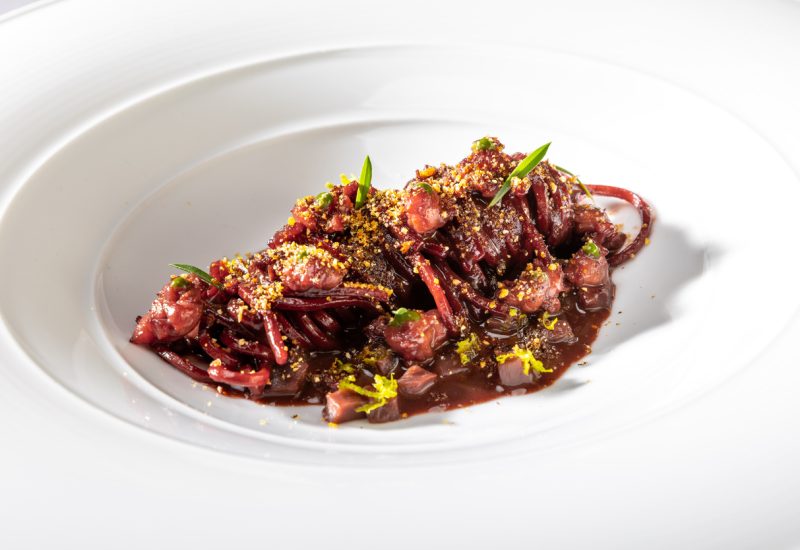
Segalin is a dish that surprises with the harmonious meeting of ingredients and flavours that are rarely combined. It is a mountain pasta capable of evoking the sea, while remaining deeply connected to Valtellina, its landscapes, its agricultural traditions and the memories of those who lived there.
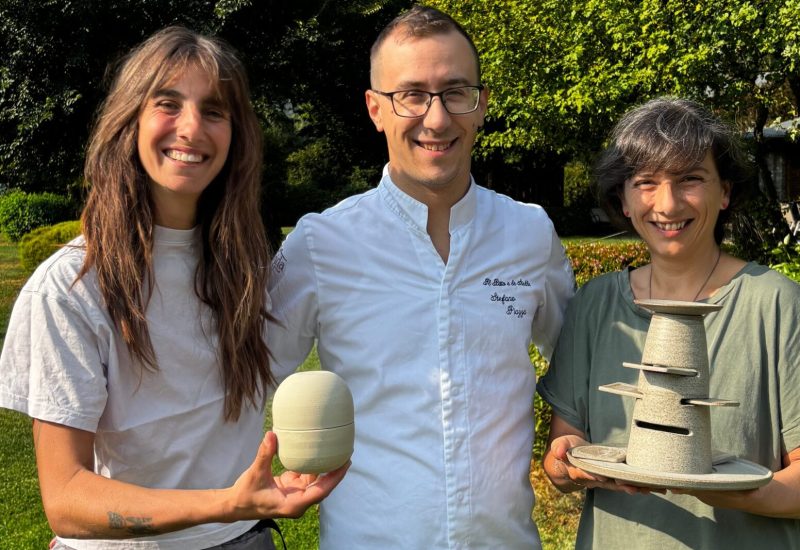
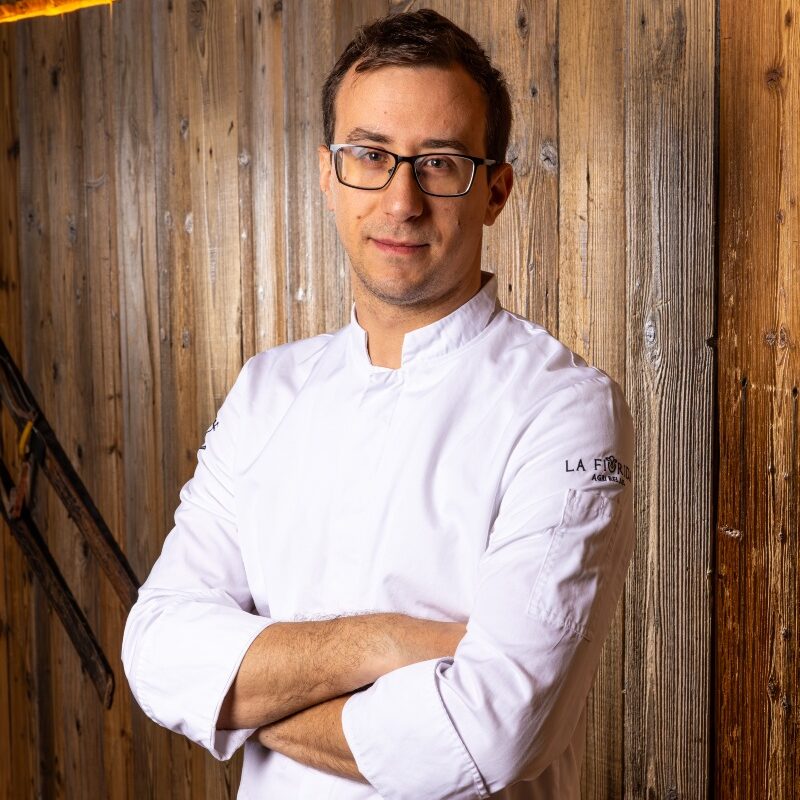
At the heart of the dish is a story collected by Stefano Piazza, sous-chef to Gianni Tarabini at La Preséf. It is the story of grandparents and elderly people from the valley, who remember a time when the canals and smaller waterways of Valtellina were populated by freshwater crayfish.
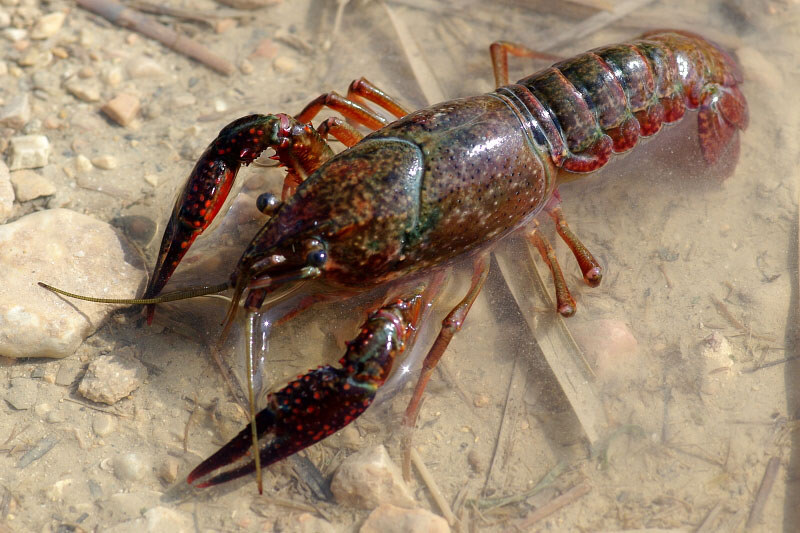
The European freshwater crayfish, Austropotamobius pallipes, is now a protected and endangered species. The deterioration of its habitat, declining water quality and availability, and the spread of invasive non-native species have gradually threatened its survival.
Stefano Piazza’s story
Stefano Piazza recalls a form of night fishing that was instinctive and almost adventurous. Crayfish were caught by plunging one’s hands into the water, without being able to see clearly what might be hiding beneath the surface.
People moved through the darkness, walking over sand and mud, relying entirely on touch. There was the excitement of the search, but also a subtle fear of what might be encountered among the stones and in the hollows along the riverbanks.
It is precisely this feeling, handed down through the stories of grandparents, that inspired Stefano in the creation of the dish: the gesture of reaching into the water, the uncertainty, the excitement and that moment when the heart seems to beat faster.
In Segalin, every element translates a part of this memory.
The sand of the riverbed is represented by corn. The mud takes shape through fermented beetroot, with its intense, earthy and almost briny character. The sensation of fear and excitement, of moving forward with one’s heart in one’s mouth, is expressed through raw veal heart.
The dish does not simply recreate a natural environment. It seeks to capture an emotion: the feeling of those who entered the waterways at night, guided only by their hands and experience.
Today, the dish is also connected to the protection of the local ecosystem, contributing to the control of an invasive non-native crustacean through the use of specimens sourced from regulated fishing.
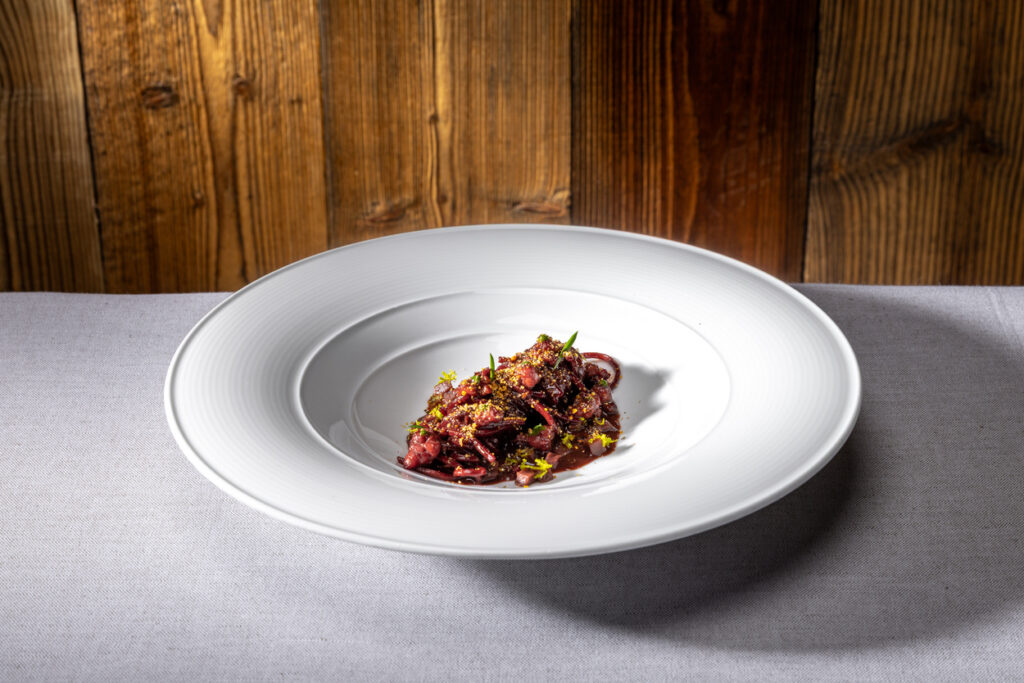
A pasta made with Valtellina rye
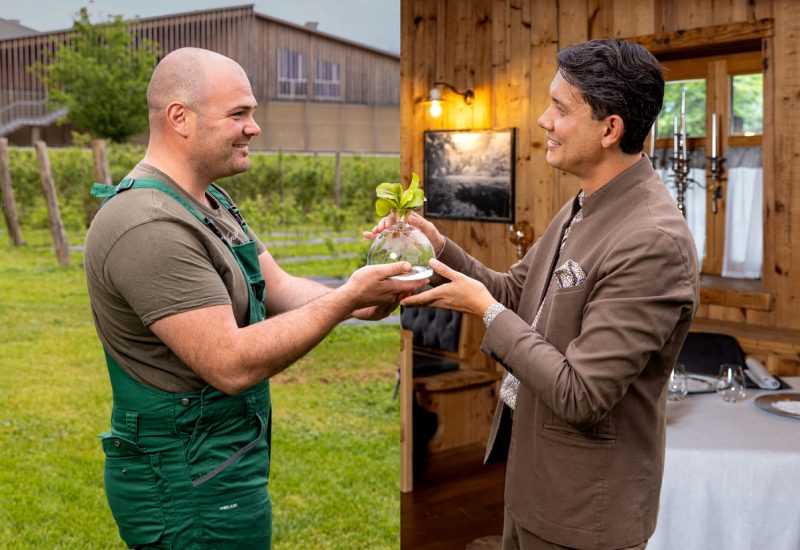
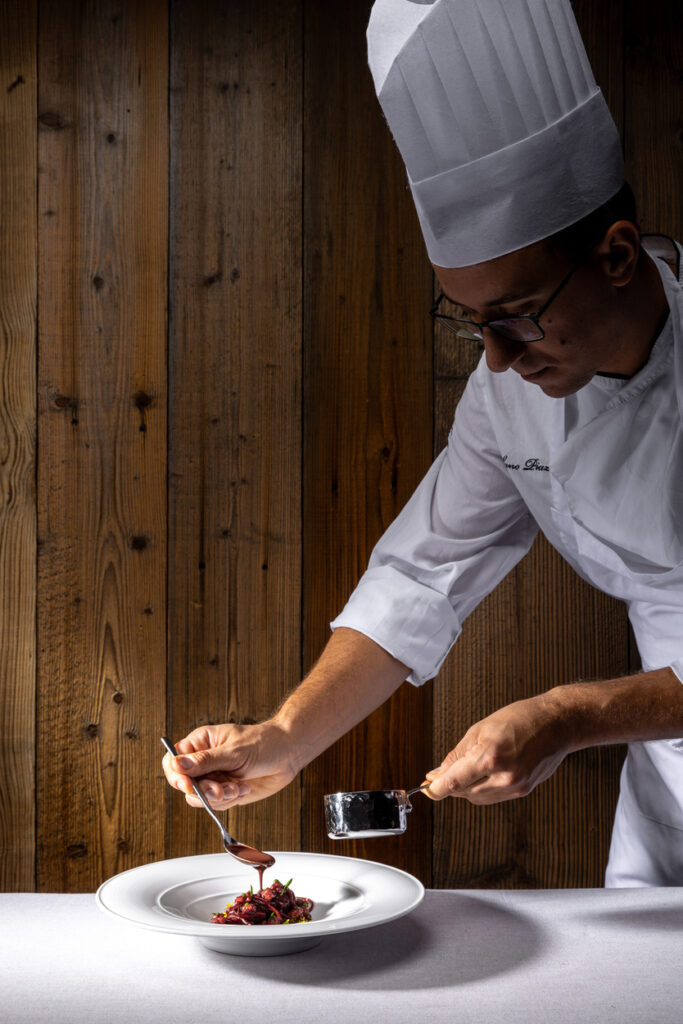
Segalin is a fresh pasta made by hand every day using rye flour from Il Grané Farm.
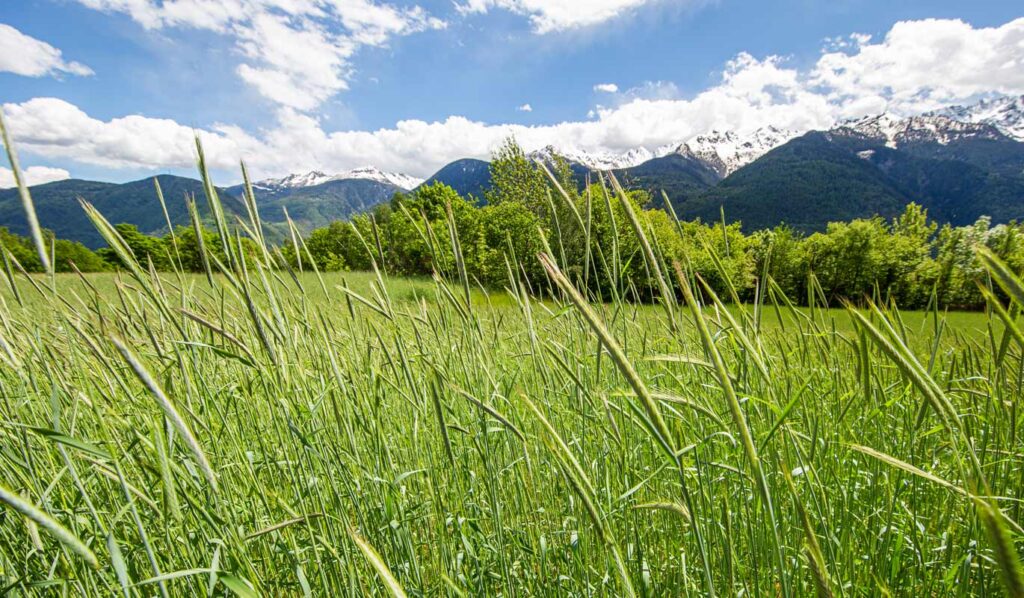
The rye is cultivated in the fields of San Giovanni, a hamlet in the municipality of Teglio, before being milled and distributed. Once widely grown throughout Valtellina, rye has now become increasingly difficult to source as a genuinely local raw ingredient.
The collaboration with Il Grané is therefore not only a choice based on quality. It is also a concrete way of supporting the recovery of traditional crops and preserving the connection between Valtellina’s cuisine and agriculture.
The dough also contains Uovo di Selva, eggs laid by hens raised in woodland, selected to give the pasta richness, structure and depth of flavour.
The heart, the crustacean and the corn
The veal heart is the unexpected element: a bold combination, yet one that is perfectly consistent with the story told by the dish.
Served raw, it brings a bloody, savoury and mineral quality that contrasts with the sweetness of the crustacean bisque and tail. It is not simply an ingredient, but the tangible representation of the “heart in one’s mouth” evoked by the stories of night fishing.
The corn, traditionally known in Valtellina as formentone, also comes from Il Grané Farm. The kernels are removed from the cobs, boiled, fried, ground and finally sieved. The result is a crisp powder that recalls the sandy bed of the waterways and gives the dish a pleasant, persistent texture.
The preparation is completed with an extract of lovage chlorophyll. Its balsamic, vegetal profile lightens the composition, bringing freshness and aromatic depth.
Segalin is therefore a complex dish to prepare, yet remarkably balanced on the palate. Through Stefano Piazza’s vision and Gianni Tarabini’s cuisine, a memory handed down by grandparents becomes a contemporary experience.
It is a dish that does not merely represent a place. It tells the story of how that place was once experienced: with hands in the water, feet on the riverbed and a heart beating fast.
The wine pairing
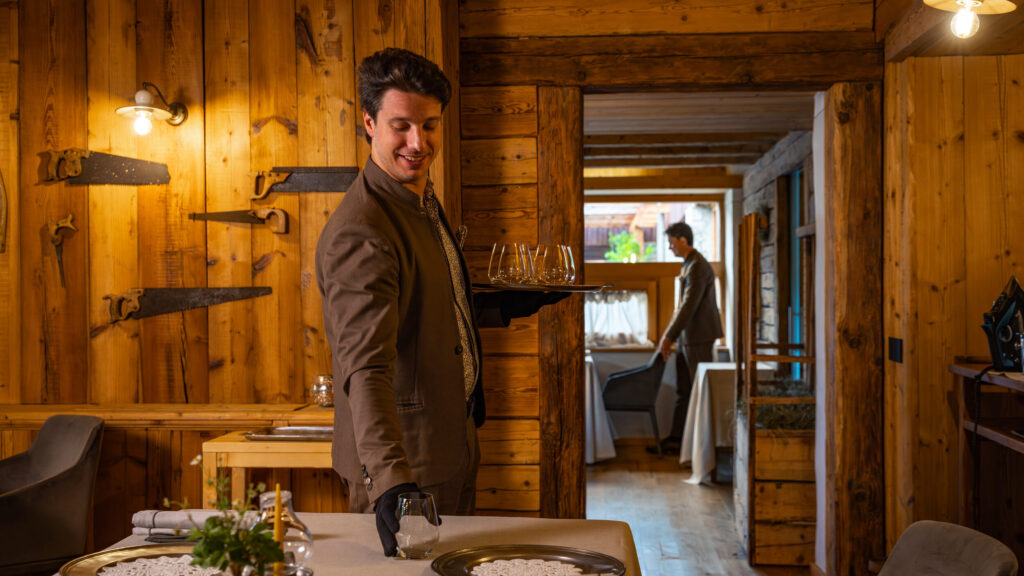
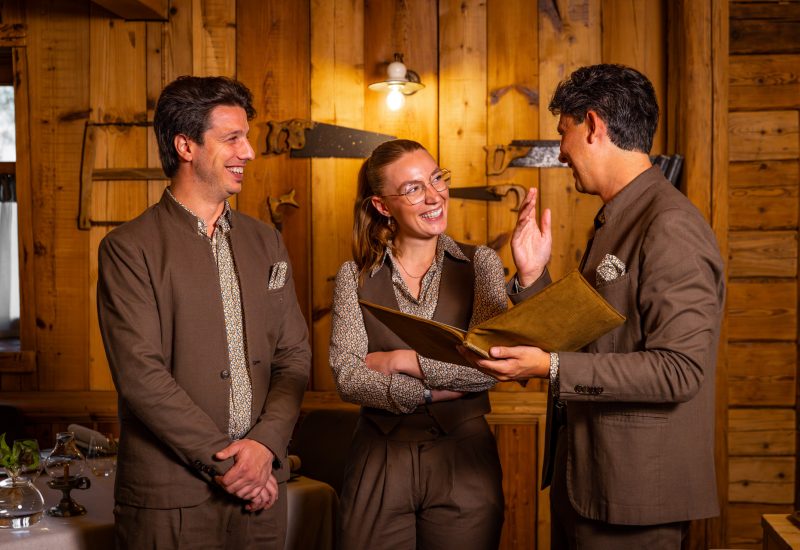
To accompany the dish, Daniele Massa, sommelier at La Preséf, recommends Dolomytos Vino Bianco by Ansitz Dolomytos Sacker, a small and distinctive winery in South Tyrol, located in Renon on a steep, south-facing slope.
The wine is a blend of Pinot Grigio, Pinot Bianco, Sauvignon Blanc and Riesling, produced from vines between 25 and 50 years old. It is made according to a natural approach, with whole-cluster pressing, spontaneous fermentation using indigenous yeasts and prolonged ageing on the lees.
In the glass, it reveals a complex and unconventional profile, with notes of dried broom flowers, peach, quince, white pepper and delicate herbal and spicy nuances.
Its freshness supports the sweetness of the crustacean, while its structure and aromatic depth complement the bloody character of the veal heart, the fermented notes of the beetroot and the vegetal quality of the lovage.
A valid alternative is Plozza Chardonnay: a classic grape variety interpreted through the Valtellina terroir, where pronounced mineral notes give it character and make it anything but predictable.